Key Electrical Points for a New Office or Facility Setup
Setting up a new commercial space involves many moving parts. Among the most important is the electrical system, which must support daily operations, safety requirements, and future growth. A well-planned installation prevents costly rework and keeps the business running smoothly from day one. This outline covers the main electrical considerations that a commercial electrician in San Jose typically addresses when working on a new office or facility.
Start with a Clear Electrical Plan
Before any wire is pulled, the electrical plan sets the direction. This document maps out where outlets, switches, lighting, and equipment connections go. It also accounts for the building's occupancy load and the expected power demand. A thorough plan helps avoid overloaded circuits and ensures the system meets local code requirements. Working with a commercial electrician early in the design phase saves time and reduces change orders later.
Check the Wiring Layout and Conduit System
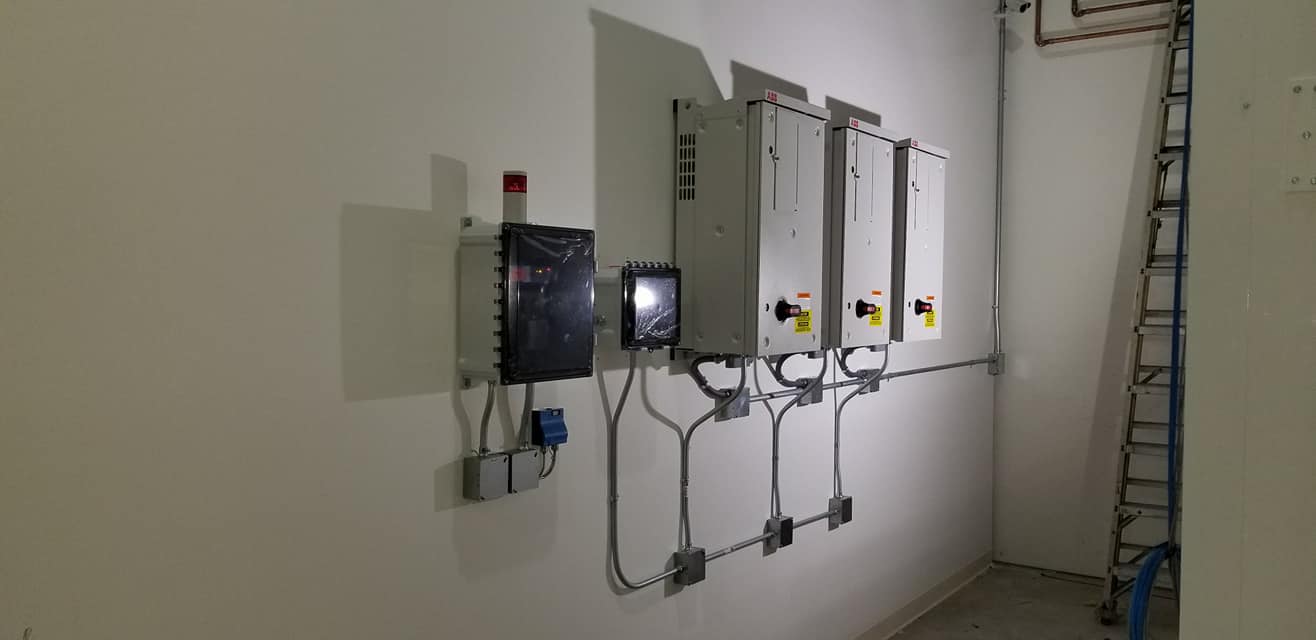
The wiring layout determines how power reaches every part of the space. In commercial buildings, conduit systems protect wires from physical damage and make future upgrades easier. Metal conduit, such as EMT or rigid, is common in offices and facilities because it provides good mechanical protection. The layout should avoid sharp bends that could damage wires and should allow for easy access to junction boxes. A clean, well-organized conduit system also simplifies troubleshooting if an issue arises.
Verify Grounding and Bonding
Proper grounding is non-negotiable for safety and equipment reliability. Every electrical panel, outlet, and piece of equipment must be grounded according to code. Bonding connects all conductive parts together so that fault current has a safe path to ground. Without this, a short circuit could energize metal surfaces and create a shock hazard. A commercial electrician in San Jose will test grounding paths and verify that all bonding connections are tight and correctly installed.

Plan the Circuit Schedule Carefully
A circuit schedule lists every breaker, which outlets or fixtures it feeds, and the expected load on each circuit. This schedule is essential for balancing loads across phases and preventing nuisance tripping. In offices, circuits for computers and printers should be separate from lighting circuits to avoid flickering when equipment cycles on. For facilities with heavy machinery, dedicated circuits with higher ampacity may be needed. The schedule also helps during troubleshooting: if a breaker trips, the schedule shows exactly what is affected.
Obtain the Required Permits
Most commercial electrical work requires a permit from the local building department. Permits ensure that the installation is inspected for code compliance. Skipping this step can lead to fines, failed inspections, or problems with insurance. A reputable contractor like Wooding Electric will handle the permit process as part of the project. Permits also protect the building owner by confirming that the work meets safety standards.
Inspect Junction Boxes and Pull Points
Junction boxes are access points where wires connect or change direction. They must be sized correctly and remain accessible after the building is finished. Never bury a junction box behind drywall or ceiling tiles that are permanently sealed. Every junction box needs a cover that is securely fastened. During installation, all connections inside boxes should be made with proper wire nuts or terminal blocks, and the box should be labeled if it serves a specific area or piece of equipment.
Consider Power Distribution for Special Equipment
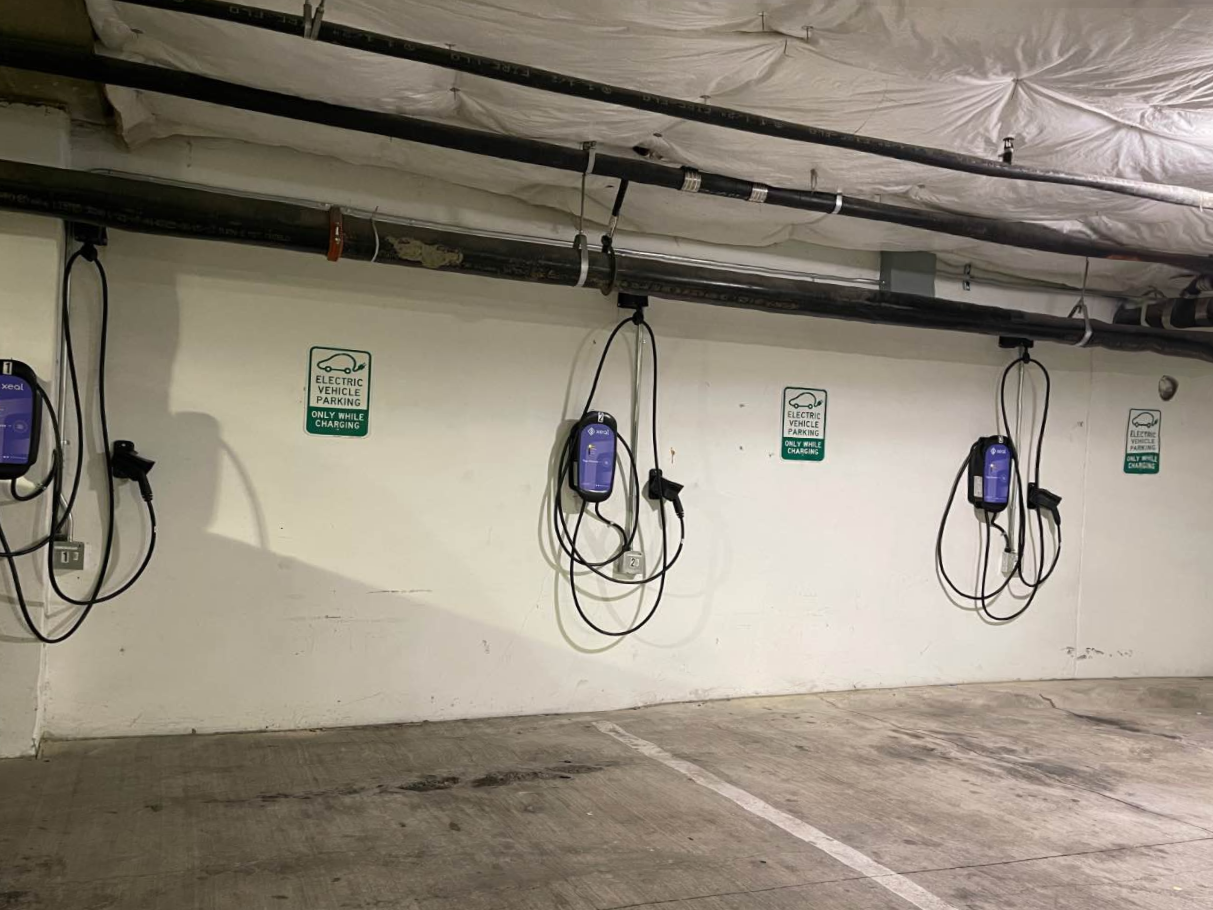
New offices often include servers, copiers, kitchen appliances, and HVAC units. Each of these has different power requirements. For example, a copier may need a dedicated 20-amp circuit, while a server room might require a sub-panel with surge protection. A facility with heavy machinery may need three-phase power. The electrical plan should identify all equipment loads and plan the distribution accordingly. Overlooking these details can result in underpowered circuits and frequent breaker trips.
Install Adequate Lighting and Controls
Lighting affects both productivity and energy costs. In offices, a mix of ambient, task, and accent lighting creates a comfortable environment. Occupancy sensors and daylight harvesting controls can reduce energy use without sacrificing visibility. For facilities like warehouses or workshops, high-bay LED fixtures with motion sensors are common. The lighting layout should align with the floor plan to avoid dark spots or glare. A commercial electrician in San Jose can advise on the best fixtures and controls for the specific use of the space.
Test All Circuits Before Occupancy
Before employees move in, every circuit should be tested for proper voltage, polarity, and ground continuity. This testing catches wiring errors that could cause equipment damage or safety hazards. It also verifies that outlets and switches are wired correctly. Testing should include a load test on critical circuits to ensure they can handle the expected draw without overheating. Document the test results for future reference.
Planning a new electrical installation involves many details, but each one contributes to a safe and functional workspace. A commercial electrician in San Jose brings local code knowledge and practical experience to the table. Wooding Electric provides commercial electrical installation, repair, troubleshooting, upgrades, and power distribution services for businesses in San Jose, Santa Clara, and surrounding Bay Area cities. Their team can help with everything from initial planning to final testing.
Plan for Future Expansion
Businesses grow, and electrical systems should be ready for that growth. Leaving extra capacity in the main panel, installing spare conduit runs, and using modular wiring systems can make future additions easier and less expensive. Even if the current layout does not require every circuit, planning ahead avoids tearing into walls later. Discuss future needs with the electrician during the design phase so the system can accommodate changes without a major overhaul.
Finally, remember that a checklist is only as good as the people who follow it. Hiring an experienced commercial electrician ensures that each step is executed correctly and that the final installation meets all safety and code requirements. Whether you are outfitting a small office or a large facility, taking the time to address these points upfront will pay off in reliability and peace of mind.